
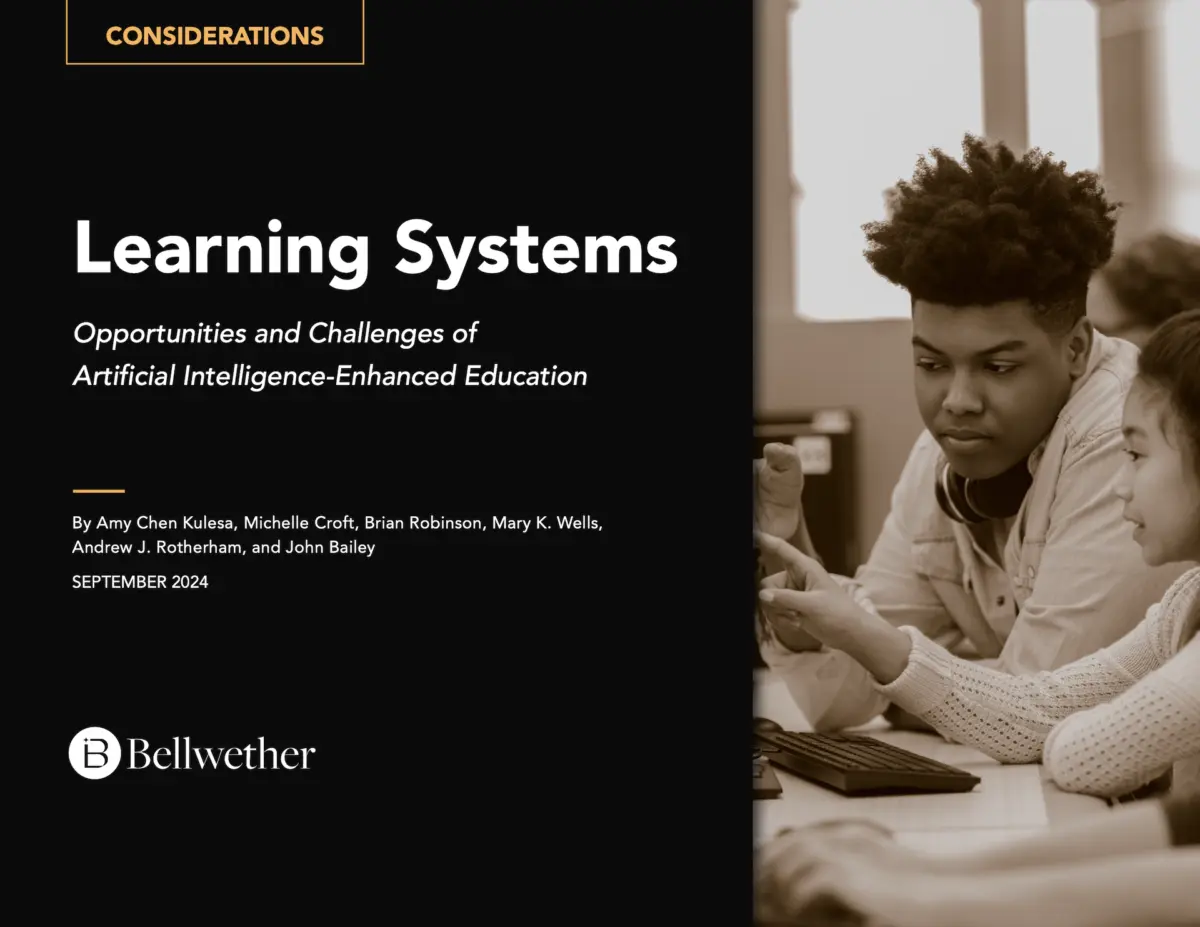
Executive Overview
In the complex and rapidly shifting landscape of modern American education, driving systemic change requires more than just good intentions—it demands rigorous research, sustained financial backing, and cross-sector collaboration. A compelling case study in this endeavor is the multi-edition research project spearheaded by Bellwether, a national nonprofit dedicated to transforming educational outcomes for young people, particularly those furthest from opportunity.
Spanning major releases from September 2024 through August 2026, this ambitious initiative has sought to illuminate pressing educational challenges, inform policy and program design, and provide actionable roadmaps for mission-driven leaders. Achieving this scale of research is no small feat. It represents a convergence of philanthropic vision, institutional expertise, and relentless investigative inquiry.
This article explores the architecture of Bellwether’s ongoing project, detailing the financial coalitions that made it possible, the team of experts driving the analysis, and the broader institutional mission shaping its trajectory. By breaking down the chronology, methodology, and key contributors, we gain a clearer picture of how modern educational think tanks operate and influence the future of learning.

Detailed Chronology of the Project
Bellwether’s multi-phase research initiative was designed not as a single, static report, but as a dynamic, rolling series of publications tailored to capture the evolving educational climate. The timeline of releases reflects a strategic effort to continuously update stakeholders on emerging trends in nontraditional learning, policy shifts, and systemic reforms.
Phase 1: The Foundation (September 2024)
The initiative kicked off in September 2024 with an inaugural release that set the baseline for the project’s overarching themes. Funded by an initial coalition of major philanthropic organizations, this phase focused heavily on gathering qualitative and quantitative data from education leaders, policymakers, and innovators on the ground. The goal was to establish a comprehensive picture of post-pandemic educational recovery and highlight innovative models challenging the traditional K-12 status quo.
Phase 2: Expansion and Deepening (May 2025)
Building upon the momentum of the inaugural report, the May 2025 edition expanded its scope. Researchers dived deeper into specific sub-sectors, including out-of-school learning environments, alternative funding mechanisms, and the equity gaps exposed by changing educational delivery models. This iteration benefited from broadened engagement with interview participants across the country, ensuring that regional nuances were accurately captured in the analysis.

Phase 3: Transition and Continuity (January 2026)
As the educational landscape entered a new legislative and operational cycle, the January 2026 release offered timely insights into institutional resilience and scaling strategies. This report served as a critical touchpoint for education reformers navigating shifting federal and state-level policy landscapes, offering pragmatic guidance on program design and execution.
Phase 4: The Horizon (August 2026)
Culminating the primary funding cycles, the August 2026 edition focused on long-term systemic sustainability. Supported by a targeted group of core philanthropic partners, this final installment examined the durability of nontraditional learning programs and outlined a forward-looking agenda for educational equity through the end of the decade.
Supporting Context & Metrics: Philanthropy and Collaboration
Research of this magnitude requires robust financial backing and an extensive network of contributors. Bellwether’s initiative was uniquely positioned thanks to a diverse coalition of philanthropic foundations that recognized the urgency of the work.

The Financial Coalition
The September 2024, May 2025, and January 2026 editions of the project were made possible through the generous financial support of several prominent philanthropic organizations:
- The Bezos Family Foundation
- Chan Zuckerberg Initiative
- Charles and Helen Schwab Foundation
- The Charter School Growth Fund
- Oak Foundation
- Overdeck Family Foundation
- Raikes Foundation
Furthermore, the August 2026 edition received dedicated financial backing from The Charter School Growth Fund and The Walton Family Foundation. This sustained multi-year funding model allowed Bellwether’s researchers to maintain longitudinal focus, tracking developments over time rather than relying on isolated snapshots.
Collaborative Expertise and Editorial Integrity
Behind the published pages lies an expansive network of internal researchers, external fellows, and editorial teams. Bellwether colleagues such as Alex Spurrier, Daniela Torre Gibney, Christine Wade, Lynne Wells Graziano, Mark Baxter, Priyanka Patel, and Alexis Richardson provided vital input and operational support. The project also drew on the institutional memory of former colleagues including Shruti Nagarajan, Zoe Cuddy, Mandy Berman, Kaitlin Beeson, and Janine Sandy.

Disseminating the work to the broader public required the coordinated efforts of communications and operational specialists, including Amy Ribock, Kate Stein, Andy Jacob, McKenzie Maxson, Esta Sherr, Temim Fruchter, Julie Nguyen, and Amber Walker, alongside professional proofreading from Super Copy Editors.
Despite the heavy reliance on external funding and institutional collaboration, the authors maintain strict analytical independence, noting that any errors in fact or analysis remain solely their responsibility.
Official Statements and Leadership Perspectives
At the core of Bellwether’s leadership are seasoned education experts who guide the organization’s strategic vision and research priorities.
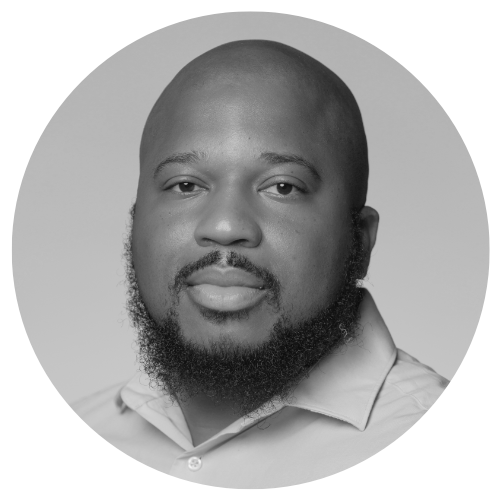
Mary K. Wells, co-founder and senior partner at Bellwether, leads the organization’s specialized work on nontraditional and out-of-school learning. Her perspective has been instrumental in shaping how the organization evaluates learning environments that exist outside the four walls of a traditional classroom. “Young people thrive when we look beyond conventional schooling and embrace innovative models that meet them where they are,” Wells has frequently emphasized in organizational briefings. (She can be reached at [email protected]).
Andrew J. Rotherham, a co-founder and senior partner at Bellwether, brings decades of policy analysis and public commentary to the table. Rotherham’s leadership ensures that Bellwether’s research bridges the gap between academic theory and practical, political reality. “Data and research are only as good as their utility to leaders on the ground,” Rotherham notes. (He can be reached at [email protected]).
Adding an external academic and policy dimension to the collaborative discourse is John Bailey, a nonresident senior fellow at the American Enterprise Institute (AEI). Bailey’s involvement underscores the cross-ideological and cross-institutional nature of modern education reform efforts. (He can be reached at [email protected]).

About Bellwether: Mission and Methodology
Founded in 2010, Bellwether operates as a national nonprofit with a singular, urgent mission: to transform education to ensure young people—especially those furthest from opportunity—achieve outcomes that lead to fulfilling lives and flourishing communities.
Over more than a decade of operation, Bellwether has established itself as a trusted partner for mission-driven organizations, school systems, and policymakers. The organization’s theory of change rests on three core pillars:
- Accelerating Impact: Helping mission-driven partners scale effective interventions and operational models.
- Informing and Influencing Policy: Conducting rigorous, objective research that shapes program design and legislative agendas.
- Driving Collective Action: Bringing diverse leaders together to collaborate on education’s most entrenched and pressing challenges.
By maintaining a commitment to transparency and open-source knowledge sharing, Bellwether publishes its reports under a Creative Commons license. This ensures that educators, researchers, and advocates can freely copy, display, and distribute the work for noncommercial purposes, provided clear attribution is given to Bellwether alongside a link back to their primary web portal at bellwether.org.

Future Outlook: The Road Ahead for Educational Equity
As the educational ecosystem continues to grapple with technological disruption, shifting demographic realities, and persistent achievement gaps, the need for independent, high-caliber research has never been more acute.
Bellwether’s multi-year project serves as a blueprint for how think tanks can successfully partner with philanthropy to produce actionable intelligence. By focusing heavily on nontraditional learning, out-of-school environments, and structural equity, the organization is helping to lay the groundwork for the next generation of American schooling.
Looking forward, the insights generated from the 2024–2026 publication cycle will undoubtedly inform upcoming policy debates at the local, state, and national levels. Whether these recommendations are fully adopted will depend on the willingness of policymakers, educators, and community leaders to engage with the data, confront uncomfortable truths, and embrace systemic innovation. One thing remains certain: organizations like Bellwether, backed by robust philanthropic partnerships and guided by rigorous inquiry, will continue to serve as vital navigational beacons in an increasingly complex educational sea.

